
hoosing the perfect diamond blade for tile and masonry projects involves more than just selecting a tool; it requires a deep understanding of the blade's design and functionality. Each blade type is uniquely engineered to handle different materials—from delicate porcelain to rugged granite—making it crucial to navigate this complex landscape with informed precision. This guide is designed to demystify the selection process, providing essential insights for both seasoned professionals and DIY enthusiasts. You'll learn to identify the best blade for your specific tile and masonry cutting needs, ensuring efficiency and precision in your work.
The Essence of Diamond Cutting Tools
At the heart of diamond tool effectiveness lies the compound of the segment. This unique mixture of metal powder and diamond particles is engineered to achieve optimal cutting performance for varying materials. The key aspects influencing a diamond tool's behavior include:
- Diamond Grade & Size: Determines the quality and the precision of the cut.
- Diamond Content: Indicates the amount of diamond within the segment.
- Metal Content: Impacts the blade's wear rate and cutting characteristics.
- Diamond Height: Relates to the depth of diamond particles embedded within the segment.
Diving into Diamond Blade Types
Understanding the types of diamond blades is really important. Here's a breakdown of the three main types of blades:
|
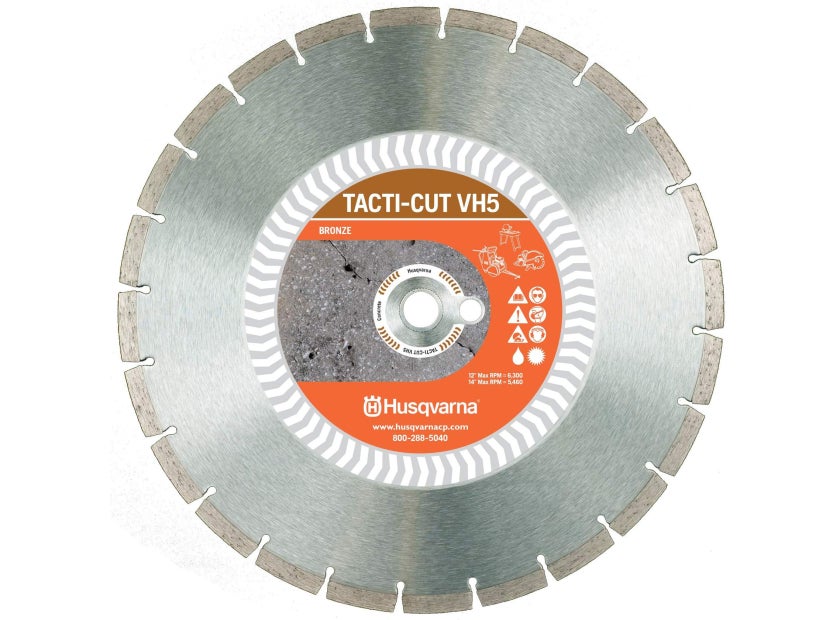
Segmented Blade: The go-to choice for cutting concrete, masonry, and stone. Characterized by their gullets or slots which facilitate air flow and heat dispersion, these blades are your ally for extended life and speed. |
Continuous Blade: Ideal for materials like tile, granite, and marble. Its continuous edge delivers a precise, chip-free experience, making it perfect for delicate materials. |
Turbo Blade: The jack-of-all-trades in the diamond blade world. Designed for fast cutting across a multitude of materials, turbo blades offer versatility with a unique rim for chip-free results. |


Segment Blade Shapes and Their Secrets
Each segment shape, from the Double Notch to the Turbo, uses varying amounts of active surface area to tailor cutting speed and blade life to the task at hand. The design intricacies allow for nuanced control over the blade's performance.
|
Double Notch |
Standard |
Turbo |
Single Notch |


Double Notch Segment: The Double Notch segment typically features two notches on each segment. This design helps in dispersing heat and reducing friction during cutting, which can extend the life of the blade.
Applications: Ideal for cutting harder materials where heat buildup is significant. The double notch helps maintain cutting efficiency by allowing more cooling and debris removal.
Advantages: Enhanced durability and improved cooling. Suitable for prolonged use in tough environments.
Standard Segment: This is the most commonly used segment shape, characterized by its straightforward, uniform geometry. It usually offers a balance between cutting speed and lifespan.
Applications: Versatile enough for general purpose cutting. Works well with a wide range of materials from concrete to bricks.
Advantages: A good all-rounder blade, offering consistent performance and a moderate price point.
Turbo Segment: Turbo segments are designed with a continuous rim or small gaps that create a turbo effect, enhancing the cutting speed. The design can significantly increase the cutting precision.
Applications: Excellent for smooth and fast cutting of dense and hard materials such as granite, marble, and ceramic tiles.
Advantages: Provides a clean cut with less chipping, ideal for decorative and fine masonry work.
Single Notch Segment: Features a single notch in each segment. This design can help with faster debris removal and slightly quicker cutting than standard segments, depending on the material.
Applications: Useful for medium to soft materials where quick cutting action is preferred, such as soft bricks and limestone.
Advantages: Faster cutting speeds with moderate life span; often preferred for projects where speed is more critical than the ultimate precision.
When selecting a segment blade, it's important to consider the material you'll be cutting most frequently. Harder materials generally require blades with more cooling and durability features like the Double Notch, while softer materials can be cut efficiently with Single Notch or Standard segments. Turbo segments, while more expensive, provide the cleanest cuts for decorative work. By understanding these differences and matching the blade to the specific needs of your project, you can optimize both the performance and lifespan of your cutting tools.
Continuous Blades

Applications of Continuous Blades:
1. Material Suitability:
- Tiles: Particularly suited for ceramic and porcelain tiles, where a chip-free edge is crucial.
- Glass: Used for cutting glass materials, ensuring smooth edges that are less likely to chip.
- Marble and Granite: Effective for marble and granite, providing a clean cut that is necessary for visible surfaces such as countertops.
- Other Delicate Materials: Also used for other brittle materials that require precise cuts without chipping, such as certain types of thin stone and engineered stone.
2. Usage Context:
Tile Cutting for Construction and Remodeling: Commonly used in the construction and remodeling industry where precise tile fitting is required.
Art and Decorative Work: Artists and craftsmen who work with glass or delicate ceramics often use these blades for detailed and precise cuts.
3. Advantages of Continuous Blades:
- Smooth, Precise Cuts: The continuous rim allows for cutting with minimal chipping on the surface of the material, which is essential for installations where the edges are visible.
- Reduced Material Waste: The thin kerf of the blade means less material is removed during the cutting process, which is particularly beneficial when working with expensive materials.
- Versatility for Wet and Dry Cutting: Although primarily used with water for cooling, some continuous blades can also be used dry in situations where water use is impractical.
- Safety and Cleanliness: Using water reduces airborne particles and dust, which is better for the operator’s health and creates a cleaner work environment.
In summary, continuous blades are an indispensable tool for projects requiring high precision and minimal damage to delicate materials. Their unique construction and capabilities make them a preferred choice for professional contractors and craftsmen who demand clean, precise cuts in sensitive materials.
Tile Blade Series: A Cut Above
For tile cutting, we delve into three series: SuperLok Series, Vari-Cut Series, & TSD Series
- Superlok Series: Precision cutting for porcelain and glass, promising clean edges. Professional.
- Vari-Cut Series: Premium blades offering a balance of speed and finish. Premium.
- TSD Series: A quality choice with options for segmented, turbo, and continuous rims.