
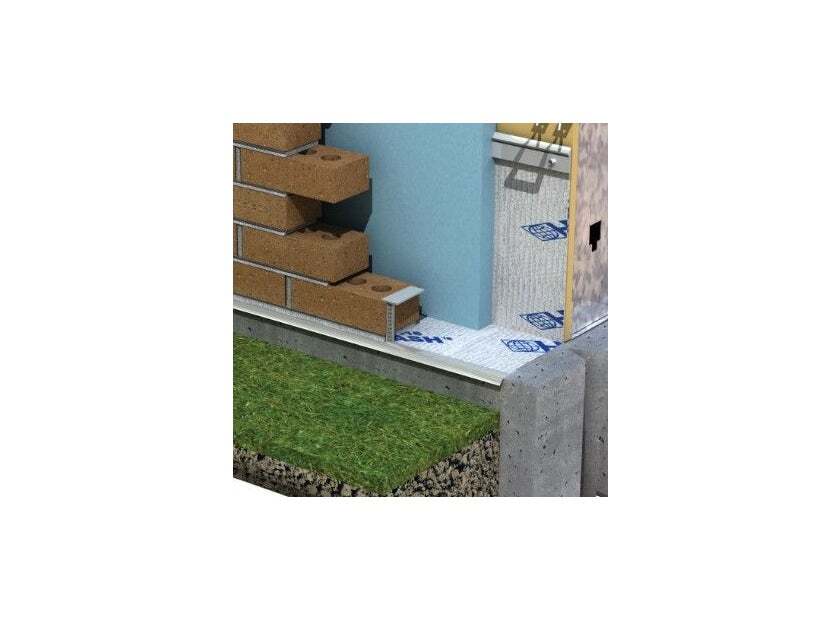
Moisture Management in Masonry Walls: Weeps, Vents & Drainage Solutions
Controlling moisture in masonry cavity walls is critical to long-term structural integrity. Without proper drainage, water can accumulate inside the wall, leading to mold, efflorescence, material degradation, and costly repairs. Fortunately, with the right combination of products—including weep holes, drainage screens, and mortar collection devices—you can create a highly effective moisture management system.
In this guide, we'll break down the components of a functional drainage system for masonry walls and highlight several contractor-trusted solutions from Hohmann & Barnard (H&B).
What Is a Masonry Cavity Wall Drainage System?
A masonry cavity wall drainage system is designed to control water that penetrates the veneer. It consists of:
- Flashing to direct moisture to the exterior
- Mortar collection device to prevent weep hole blockage
- Weep vents or weep holes to allow water to exit
- Air circulation features to equalize pressure and promote drying
Together, these components manage water flow, reduce buildup, and protect the structure.
Mortar Collection: Keep Your Weeps Clear
One of the most common failure points in cavity wall drainage is clogged weep holes. H&B offers high-performance mortar collection devices that solve this problem effectively.
H&B Mortar Trap
- 90% open mesh design suspends mortar droppings
- Dovetail profile breaks up falling mortar
- Durable polypropylene won’t absorb moisture or support mold
- Installs easily without fasteners or adhesives
- UV resistant and compressible to adjust to cavity width variations
When paired with compatible weep vents, the Mortar Trap keeps the cavity clean and functioning—ensuring moisture exits where it should.

Weep Vents & Weep Hole Options: Let the Water Out
Weep vents are installed at the base of the wall (at the flashing level) and sometimes at the top to allow moisture to escape and air to circulate. H&B offers several weep options to meet aesthetic, performance, and budget needs:
H&B 341 Series – Round Plastic Weep Holes:
- Budget-friendly
- Simple insert design
- Allows basic drainage
- Best for non-visible areas

H&B 342 Series – Rectangular Plastic Weep Holes
- Rectangular profile fits into standard mortar joints
- Ideal for traditional installations
- Durable plastic construction
Rectangular weep holes are a standard go-to in masonry construction. Their shape blends seamlessly into brick coursing, making them suitable for visible applications while remaining economical. They provide a consistent path for water drainage and work well in systems where airflow is less critical but reliable moisture release is still a must.

H&B 343 – Louvered Weep Holes (2-1/4")
- Louvered face directs water outward and blocks debris
- Includes interior closure strip to prevent mortar intrusion
- Excellent for visible applications
Louvered weeps offer a more finished look on exposed brick facades while enhancing function. The louver design sheds water outward, preventing backflow, and the integrated internal barrier keeps mortar out of the drainage path. These are ideal when you want high performance in both drainage and appearance, particularly on street-facing or high-profile walls.

H&B Mortar Trap Weep Vents
- Non-woven mesh allows drainage and airflow
- Flame-retardant and UV-treated
- Blocks insects and debris
- LEED-credit eligible
- Easy installation with no fasteners
- Available in multiple colors
Mortar Trap Weep Vents combine performance and sustainability. They let moisture escape while allowing air to flow through the wall cavity, helping equalize pressure and accelerate drying. Their mesh structure blocks insects and debris without restricting drainage. These vents are a top choice for green building and long-term cavity wall performance, and they visually blend in thanks to multiple color options.

H&B Quadro-Vent Rectangular Cell Vent
- Honeycomb core supports drainage even when mortar buildup is present
- Allows moisture to drain up to 2-1/2" height
- Durable polypropylene, ASTM-tested
- Suitable for top-of-wall or base-of-wall use
- Drop-in installation, no tools needed
The Quadro-Vent is engineered for walls where mortar droppings may collect near the base. Its honeycomb interior allows water to pass even if debris settles in front of it, making it one of the most effective weep solutions for demanding jobsite conditions. Installed at the base or top of the wall, it promotes drainage and airflow in even challenging builds. Its durability and ease of use make it a go-to for commercial and institutional projects.

Optional Accessory: Mortar Grout Screen
H&B MGS Mortar Grout Screen
- Isolates grout and mortar flow in block cells
- Improves anchor bonding in hollow CMU
- Increases reinforcement clarity during inspection
- High tensile strength
While not used in every project, MGS can be a great addition for CMU block wall systems where clean cavity management is needed.

Building a Complete Drainage System
Creating a durable, long-lasting moisture control system means using components that work together in layers. Here's how each element contributes—and how to properly install them for maximum effectiveness:
1. Flashing
Begin by installing a high-performance flashing product such as Textroflash, Mighty-Flash, or Copper-Fabric at the base of the wall. Flashing acts as the exit ramp for moisture, collecting water that seeps into the cavity and guiding it to the weeps. Choose a flashing compatible with your wall type and ensure it extends beyond the face of the veneer for proper drip edge function.
2. Mortar Trap
Directly above the flashing, insert H&B Mortar Trap into the cavity. This mesh device prevents falling mortar from settling on the flashing and blocking weep holes. It suspends and breaks up mortar droppings, preserving a clear path for water to escape. Its compressible design also accommodates slight cavity variations.

3. Weep Vents / Weep Holes
Place weep vents at the flashing level—typically every 24 inches. Use:
- Mortar Trap Weep Vents or Quadro-Vents when airflow and insect blocking are key.
- Louvered 343 vents when you want a cleaner visual appearance and added protection.
- Round or rectangular plastic weeps (341/342) in cost-sensitive applications or where aesthetics are not a concern.
At the top of the wall, consider adding vents (such as Quadro-Vents) to promote air pressure equalization, which helps dry out the cavity more efficiently.
4. MGS Grout Screen (Optional)
For CMU wall systems, install Mortar Grout Screen at reinforcement zones or cell areas to isolate grout and reduce potential mortar overflow. This improves bonding and helps maintain clean pathways for any water that enters.
Final Thoughts
Managing moisture in masonry isn’t just about preventing leaks—it’s about extending the life of your build, ensuring code compliance, and avoiding callbacks. CMU Supply proudly stocks H&B’s full line of drainage solutions so contractors can build smart, durable wall systems that perform.
Need help selecting the right weeps or drainage setup? Contact us today—our team is here to help you build it right the first time.