
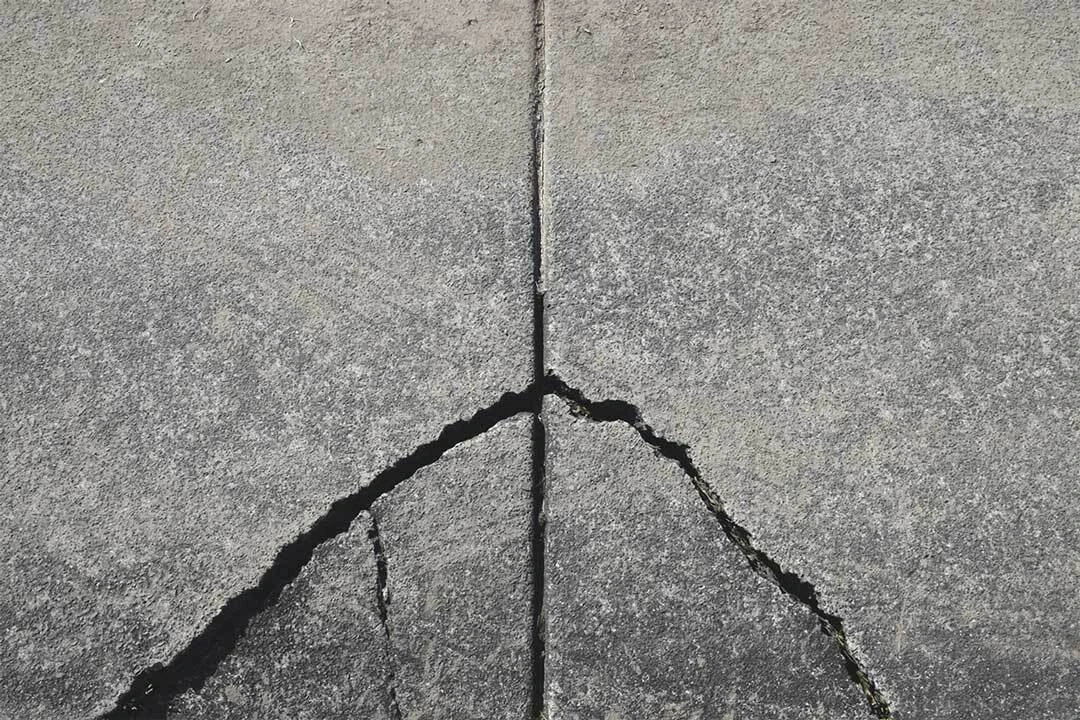
Concrete joints are only effective if they’re cut at the right time. Cut too early and the slab can ravel or spall. Cut too late and uncontrolled cracks may already have formed.
That’s why green concrete cutting — also called early entry saw cutting — has become standard practice on many commercial slabs. By cutting control joints shortly after finishing, contractors can guide shrinkage cracks where they belong instead of letting them form randomly across the slab.
Understanding the timing, equipment, and common pitfalls of green cutting can make the difference between a clean slab and expensive repairs.
What Is Green Concrete Cutting?
Green concrete cutting refers to sawing control joints into concrete soon after finishing, while the slab is still relatively soft. The goal is to relieve internal shrinkage stresses before they cause uncontrolled cracking.
As concrete cures, moisture loss and chemical reactions cause the slab to shrink. Without joints, that shrinkage creates tension within the concrete, eventually leading to random cracking.
Control joints act as planned weak points where cracks can form in a straight, predictable line. Early entry cutting simply introduces those joints before the slab reaches full strength.
Timing: When Should Concrete Be Cut?
Timing is the most critical factor in green concrete cutting. Contractors typically begin cutting within 1–2 hours after finishing, once the slab is firm enough to support the saw without damaging the surface. Cut too early and the edges may ravel or spall; cut too late and the slab may already have begun cracking.
The exact timing depends on several variables. Concrete mix design can affect set time, with faster-setting mixes allowing earlier cutting and mixes with fly ash or retarders often delaying the window slightly. Ambient temperature and weather also play a role — hot, dry, or windy conditions tend to speed up the cutting window, while cool or damp conditions usually slow it down. Slab thickness can influence timing as well, with thinner slabs ready sooner and thicker slabs taking a bit longer to stiffen. Finishing methods may also affect surface hardness; heavily troweled slabs can appear ready before the concrete beneath has gained enough strength. Finally, aggregate type can influence cutting behavior, with harder aggregates sometimes requiring slightly more set time before sawing.
A simple rule of thumb is that the slab should be firm enough that the saw leaves minimal surface marks, but still soft enough that the blade cuts smoothly without excessive force or vibration.
Tools Used for Early Entry Cutting
Green cutting requires specialized equipment designed to cut fresh concrete without damaging the surrounding slab.

Early Entry Saws
Early entry saws are designed with lightweight frames and up-cut blade rotation, which helps pull slurry away from the cut and reduce edge damage. These saws often include skid plates that help prevent spalling while the concrete is still relatively soft.
Early entry saws typically cut shallow joints, usually about one-quarter of the slab thickness, which is enough to create a controlled crack path.
Walk-Behind Flat Saws
Traditional walk-behind saws are still used in some applications but typically operate later in the curing process. These saws are heavier and designed for deeper cuts, making them better suited for structural joints, thicker slabs, or demolition work.
For early shrinkage control joints, contractors often rely on early entry saws instead.
Joint Spacing and Depth Considerations
Proper joint spacing is just as important as timing. If joints are spaced too far apart, the slab may crack between cuts regardless of when they are made.
A common guideline is that joint spacing should be approximately 24 to 36 times the slab thickness. For example:
A 4 in. slab might have joints spaced roughly 8–12 ft apart
A 6 in. slab might use spacing of 12–18 ft
Cut depth is typically one-quarter of the slab thickness, though certain specifications may vary depending on project requirements.
Common Mistakes Contractors Make
Even experienced crews occasionally run into problems with green cutting. Most issues come down to timing and equipment setup.
Cutting Too Late
If joints are cut after the slab has already begun to shrink significantly, cracks may form before the saw ever touches the concrete. At that point, cutting simply follows the crack rather than controlling it.
Cutting Too Early
Cutting before the concrete has gained enough strength can cause edge raveling or spalling along the joint. This weakens the joint and affects the final appearance of the slab.
Using the Wrong Blade
Early entry cutting requires blades designed specifically for green concrete. Using a blade intended for cured concrete can increase vibration and damage the joint edges.
Poor Joint Layout
Improper joint layout can lead to irregular cracking patterns even if the cuts themselves are clean. Joints should be planned in relation to slab geometry, columns, walls, and penetrations.
Final Thoughts
Green concrete cutting isn’t about preventing cracks, it’s about controlling where they occur. As concrete cures and shrinks, cracking is inevitable. Properly timed control joints simply give those cracks a planned path to follow.
By cutting joints during the early-entry window, using the right equipment, and laying out joints correctly, contractors can guide shrinkage stresses instead of reacting to random cracking later. Like many aspects of concrete work, success ultimately comes down to timing, experience, and having the right tools ready when the slab reaches the ideal cutting window.